
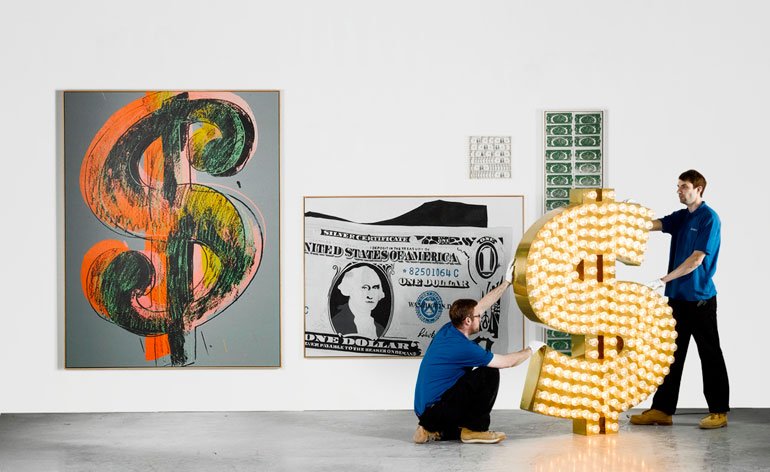
The proliferation of tipping culture in American consumer markets has long been a contention and complaint. It starkly contrasts many countries, such as Japan, where tipping is not customary and is often perceived as rude. So why is it that in the US, adding a 10-20% gratuity fee is considered compulsory despite many being fed up with this paradigm?
According to a recent Pew Research Center poll, a staggering 72% of Americans believe that tipping culture has expanded to more establishments, while 40% express their disapproval of its current state. In many instances, people are asked to provide a tip for services requiring little to no manual labor, such as grabbing premade pastries from a display shelf or a ready-to-go meal from a café refrigerator. Still, it does not need to be this way, and the fix is quite simple.
Despite many places throughout the country implementing a more livable minimum, in most parts of the country, the minimum wage is still next to nothing. Additionally, the rising cost of living in the nation, which is primarily concentrated in states like California, makes the raise in minimum wage rather obsolete!
Now, it is the case that tipping, out of its necessity, has not become an apparatus to encourage above and beyond service, but a necessity. This is encouraged by the fact that now, employees merely spin around a tablet to ask for gratuity, rather than them once having to hope customers would take the time to take physical change out of their wallet. Additionally, through the growth of electronic commerce, the amount of arrears where tips can be asked for. Because the increased accessibility to leave tips and the new jobs that make money through completing app-based deliveries and services creates a system where more people are taking on jobs that can only accommodate to the cost of living by asking for tips.
In California, the average tip is 23% compared to the 18% national average, making California noticeably more expensive! The fact that California has the highest gratuity rate and that we are the Second most expensive state to live in, proves that it is not greed driving tipping culture, but employers not paying their employees enough!
To potentially mend this issue, the minimum wage should be federally raised, and local counties should raise the minimum wage to be proportional to the cost of living in said area. This would boost the overall economy by putting more money in the hands of low-wage workers and increasing consumer spending. Until then, it is imperative that consumers don’t resent the employees, but rather critique their government for the delayed response.
When these changes are implemented, consumers and workers will see improvements. One of the most common myths surrounding the consequences of raising minimum wage is that it will cause businesses to simply raise their prices in response. However, there is little evidence that this is true, and the minimum wage is in some way correlated with inflation. According to Keystone Research, “A recent study in California found that a 25 percent minimum wage increase raised restaurant prices by only 1.45 percent — in a state in which tipped workers (waitresses, servers, etc.) get the same minimum wage as other workers. In New York City, the minimum wage is now $13.50 per hour—but you can still buy a slice of pizza for $1”.
Therefore, as annoying tipping culture may seem, especially in an increasingly expensive area such as the Bay Area, an increase in minimum wage to make it proportional to a livable wage would help mend this dilemma by stimulating the economy and creating a symbiotic relationship between employers, workers, and consumers. As of now, the reality is rather poignant, as service workers are asking for gratuity as a means to support themselves and their families, not as the bonus it is meant to be. All in all, until the minimum wage is raised in more places to a realistic amount, it is important to be mindful of when and where you tip, by no means are you required to tip at every establishment you enter, but realize that often times it is the right thing to do for the people who play an integral part in our economy!
 The Scribe Circle
Leave a comment