
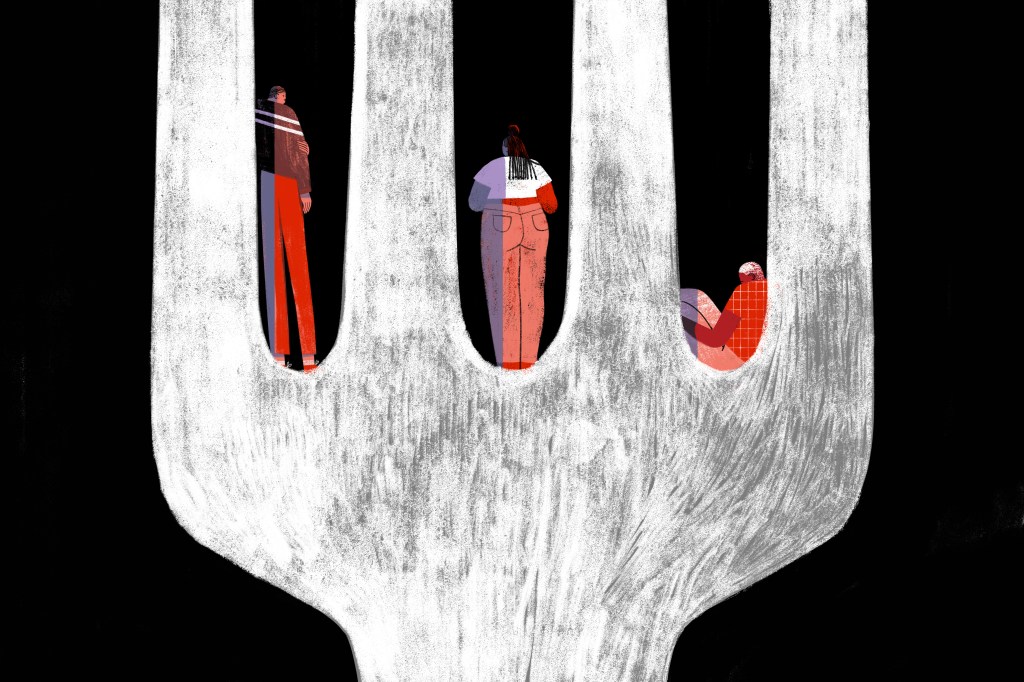
While Tumblrs glory days may be over, the app’s cultural impact has yet to see an end. From its inception in 2007, the social networking and microblogging platform has been a constant hub of activity for creatives, fangirls, and anyone with a voice.
Tumblr is especially renowned, but in many cases frowned upon, for its ability to foster devoted niche communities. In these interest-specific spaces, users can share content, engage in discussions, and ultimately immerse themselves in their passions.
It started harmlessly enough. Harry potter fans blogging their obscure fanfiction and dark academia enthusiasts sharing book recommendations – geeky but safe stuff content. However, certain communities emerged that promoted harmful and sometimes dangerous content.
One critical example was pro-ana Tumblr. Pro-ana, short for pro-anorexia, was a niche that captivated and transformed a wave of teenage girls in the mid-2000’s. Essentially, these pages were designed by and for those struggling with eating disorders to motivate one-another into losing more weight and continuing their bad habits.
This was achieved in part by posting “thinspo,” or thin inspiration. Users would share and reblog images of thin and underweight bodies to inspire themselves and others to maintain similar physiques, subsequently encouraging disordered eating.
Furthermore, users would share detailed accounts of their daily food intake, complete with calorie counts, calories burned through exercise, and personal reflections on the current state of their weight loss journeys.

An example“What I eat in a day” post.
From a matured and modern perspective, these types of posts seem obviously dangerous and manipulative. Many would choose to steer clear of such content by clicking “not-interested” and moving on.
However at the time, these posts were highly effective because those who encountered them did not realize they were being manipulated till they too fell victim to disordered eating. Initially they believed they were simply improving their lifestyle or losing a few extra pounds, but it quickly turned into an all consuming addiction.
~
This is where we switch gears to TikTok. An app that needs no introduction, TikTok is the cultural phenomenon Tumblr once was. Despite their structural differences, TikTok feeds can still resemble and facilitate niche specific content in ways reminiscent of Tumblr.
On a surface level, the pro-ana agenda persists in similar ways. “What I eat in a day” videos continue to be posted under the guise of health and fitness content, while skinny individuals share videos in revealing clothing that shows off their bodies – both intentionally and unintentionally feeding into thinspo.
What often goes unnoticed is the more implicit ways in which pro-ana ideology is spread to young users. Many of the “humorous” trends on the app employ terminology that is inherently fat-phobic and promotes an idealized concept of skinniness.
“Big-Back” is a term that surged in popularity on the platform around April of this year. As a euphemism for fat, it quickly became ingrained in the vocabulary and content of TikTok users – a pattern often seen with trending terms on the app.
Trends featuring this particular term include video and pictures of people eating fast food or large portions, with captions such as “Some of my most big-backed moments.” These seemingly lighthearted posts frame larger bodies as undesirable and humorous in a way reminiscent of pro-ana Tumblr.


Examples of the big back trend on TikTok.
Some users take it a step further, by stuffing their clothes with pillows to appear larger for a more exaggerated effect in their videos; under the guise of humor, this content further perpetuates unhealthy relationships with food.
While this trend is one example of many, it underscores a broader issue. While TikTok may not be as explicit as Tumblr in its pro-ana tendencies, many trends that cycle through the app promote similar ideals into the subconscious minds of impressionable teens.
It is essential for users to stay alert to the underlying messages in this content to avoid falling victim to a vicious cycle of body insecurity. To foster a healthier online environment, one must recognize and question these trends.
 The Scribe Circle
Leave a comment