
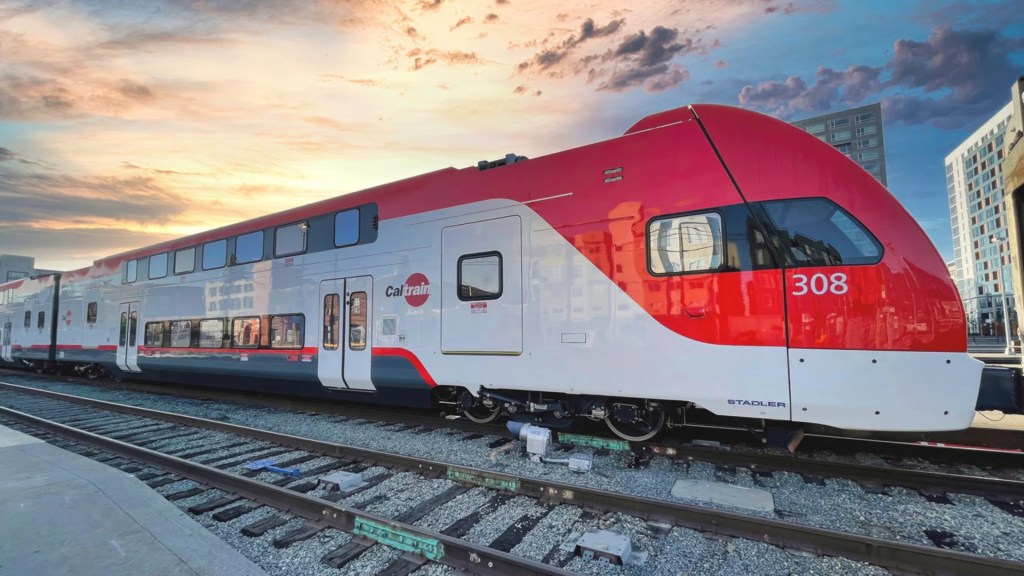
There are approximately 12 CalTrain-related deaths per year. In the past two weeks, there have been two tragic deaths at train crossings. Unfortunately, these incidents are part of a long-standing trend, with frequent casualties occurring on the tracks, often as a result of suicide.
CalTrain has repeatedly claimed that they are planning to improve rail security features, including the installation of fencing, guards, and cameras at railway crossings. However, most of these improvements have been concentrated in Palo Alto, a city that experienced alarming rates of suicide in the early 2010s, particularly among teenagers from local high schools, where the suicide rate was five times the national average. Despite these promises of enhancement, residents of the Bay Area have yet to see significant improvements in rail safety, with many advocating for more extensive measures.
Following the death of a Menlo Park teenager on the CalTrain tracks, there have been increased calls for immediate and comprehensive efforts to improve safety at crossings. Suggestions include, but are not limited to, the installation of thermal cameras to detect trespassers on the tracks. CalTrain has faced repeated demands for heightened safety precautions, even before these recent tragedies. One Menlo Park resident remarked, “I live directly next to the train tracks, and I can personally testify to the amount of pain we experience every time we learn another person has chosen to take their life on the tracks […] it hurts to see something so avoidable be so unbelievably common.”
In other regions where rail suicides are prevalent, the installation of barrier cameras has proven to be highly effective. However, efforts to implement such measures on CalTrain tracks remain extremely limited, and the current anti-suicide signage and flashing barriers are insufficient to prevent these deaths. Following the death of local teenager Dylan Scirpo, Menlo Park officials are increasingly supportive of implementing more aggressive safety measures, with County Supervisor Ray Mueller calling for “high-tech solutions.” The pressing question is whether CalTrain can afford to make these changes, particularly after the costly electrification project. Nevertheless, given the frequency of these tragic deaths, the need for significant safety renovations is abundantly clear, as these incidents not only pose a risk to vulnerable individuals, including teens but also severely impact the mental health of train conductors and residents who witness them.
If you or someone you know is struggling, help is available. Reach out to the National Suicide Prevention Lifeline at 1-800-273-TALK (8255) or visit suicidepreventionlifeline.org for support.
 The Scribe Circle
Leave a comment